Luggage On The Shinkansen: Size Limits, Reservations And Smarter Alternatives
A bullet train takes a bigger suitcase than most visitors expect, but the rules split by line and by centimetre, and the split is where mistakes get expensive.
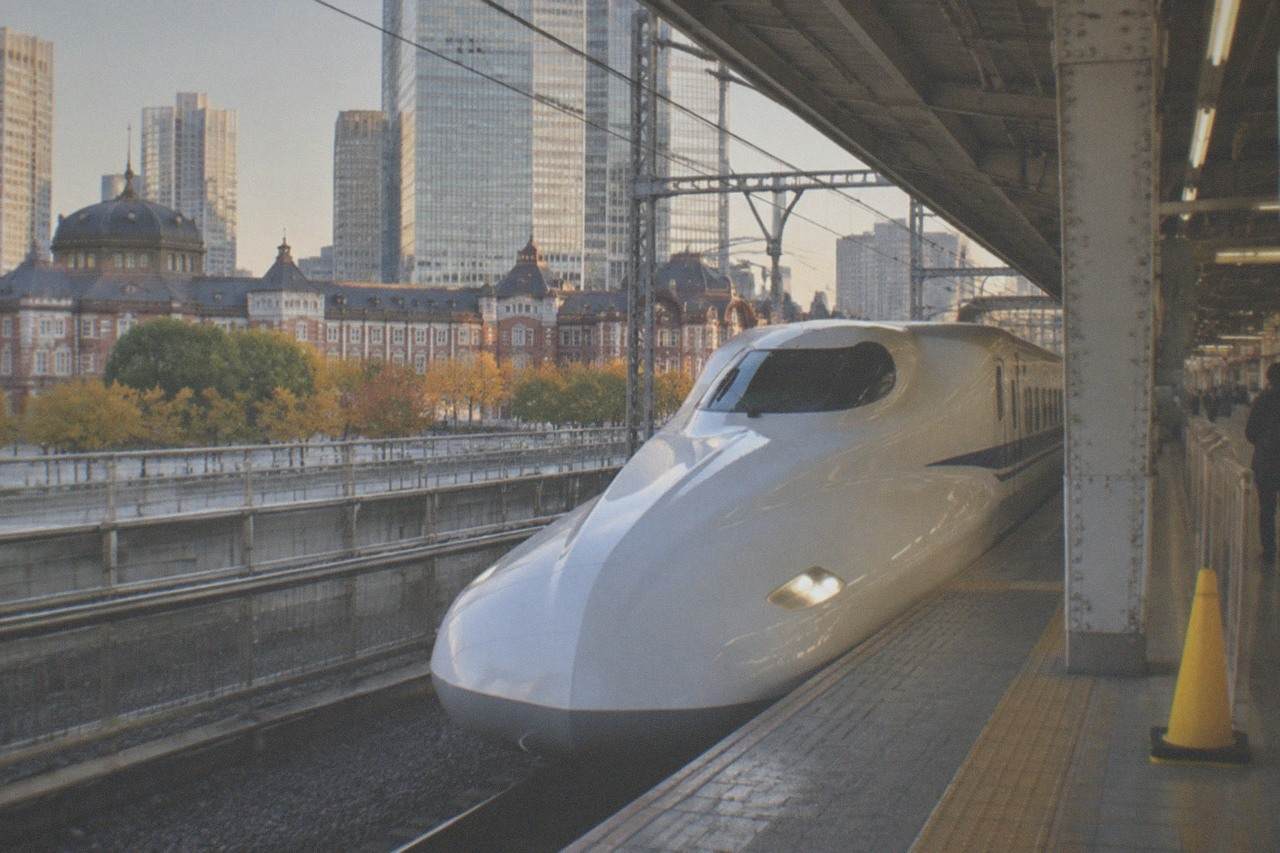
Short answer
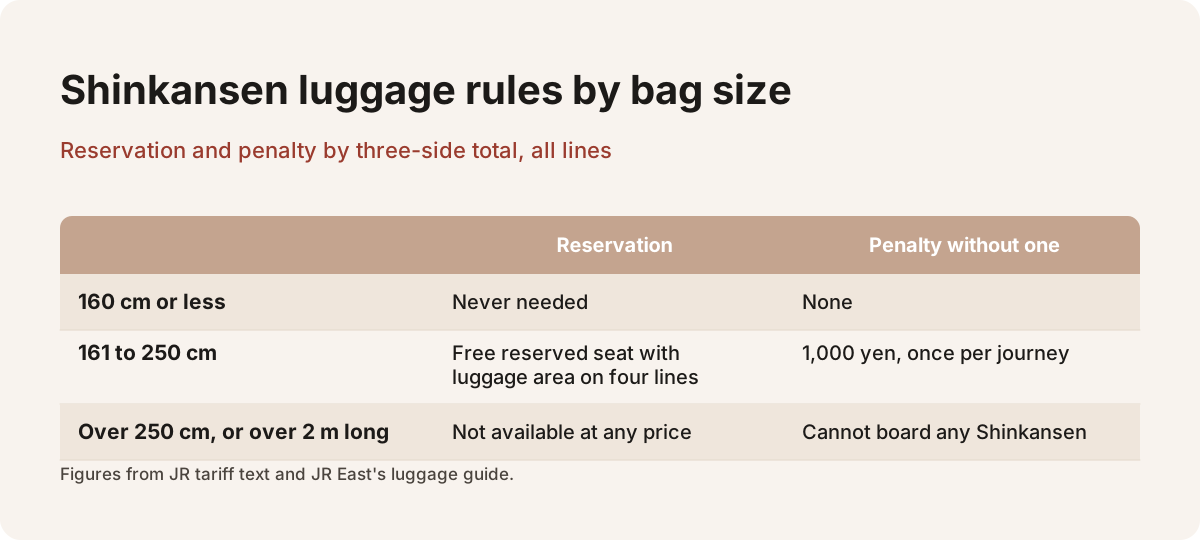
A bag whose three sides add up to 160 cm or less needs no reservation and rides free anywhere on the network. Between 161 and 250 cm you must reserve an oversized baggage seat, at no extra cost, on Tokaido, Sanyo, Kyushu and Nishi-Kyushu services; the penalty without one is 1,000 yen. Nothing over 250 cm boards at all.
A Shinkansen seat comes with more luggage freedom than almost any other train in the world, and with a set of rules that most English-language coverage gets at least partly wrong. The numbers that matter are 160, 250 and 30: 160 centimetres of three-side total is where the reservation rule switches on, 250 centimetres and 30 kilograms is the absolute ceiling for anything brought aboard, and every threshold in between carries a published price or penalty. This guide sets out what each line out of Tokyo actually requires, where the case physically goes once you are on the train, and when parking or forwarding the bag beats hauling it aboard at all.
What Are The Shinkansen Luggage Rules In Plain Terms?
Every Shinkansen allows two items per passenger, each up to 250 cm in three-side total and 30 kg, with nothing over 2 metres long. The number that matters is 160 cm: at or under it, a bag simply rides. Over it, a reservation rule applies on four of the lines out of Tokyo, and it does not apply on the other six.
The free allowance has not changed: two pieces, each within 250 cm and 30 kg, with a hard two-metre length limit on any single side. That covers a standard cabin bag many times over. A checked suitcase, the kind that goes into an aircraft hold, is usually 100 to 140 cm in three-side total, so it also rides free of any rule anywhere in the country. The threshold that changes your journey is a three-side total over 160 cm, roughly a large checked case or a ski bag, and JR Central publishes that rule on its own oversized baggage page (railway.jr-central.co.jp).
One boundary trips people up. JR Central's Japanese introduction says under 250 cm, its English page says 161 to 250 cm, and the tariff itself says 250 cm or less. The tariff settles it: a bag measuring exactly 250 cm in three-side total is allowed. Do not plan around "under 250", because a case at precisely the limit is legal.
| Three-side total | What applies | Reservation |
|---|---|---|
| 160 cm or less | Free carry-on, overhead rack or deck corner | Never needed |
| 161 to 250 cm | Oversized baggage rule on Tokaido, Sanyo, Kyushu and Nishi-Kyushu services | Free reserved seat with a luggage area, mandatory on those lines |
| Over 250 cm, or over 2 m long | Cannot board any Shinkansen | Not available at any price |
A short list of items is exempt regardless of size: strollers, musical instruments, sports equipment and wheelchairs. A golf bag or a cello therefore never triggers the reservation rule even when its dimensions sail past 160 cm. The rules described in detailed oversized baggage seat rules apply to suitcases and similar cases, not to the exempt categories.
Which Shinkansen Lines Require An Oversized Baggage Reservation?
The reservation rule covers the Tokaido, Sanyo, Kyushu and Nishi-Kyushu lines, which includes every Tokyo to Kyoto and Osaka service. The six JR East lines from Tokyo, Tohoku, Hokkaido, Joetsu, Hokuriku, Yamagata and Akita, ask for no reservation and carry no penalty. The catch up north: nobody holds a space for you, and storage areas exist only on some trains.
If your bullet train goes west from Tokyo Station towards Kyoto, Osaka or beyond, an oversized bag over 160 cm needs a 特大荷物スペースつき座席, a seat with an oversized luggage space beside it. The seat costs exactly the same as an ordinary reserved seat. That single fact surprises people who have read that Japan charges extra for big bags: the reservation is free, and the penalty is for skipping it, not for the bag itself.
North and east is different. JR East's own luggage guide (jreast.co.jp) states the carry-on fee as free and the reservation as not required for suitcases within 250 cm, 30 kg and two pieces, on the Tohoku, Hokkaido, Joetsu, Hokuriku, Yamagata and Akita lines. No penalty exists on those lines for any legal bag. But the same page carries the caveat that matters: storage areas exist on some trains only, cannot be reserved, and fill first come. A reader hauling a 180 cm case to Sendai or Kanazawa has no guaranteed slot waiting, only a reasonable chance.
| Line group | Reservation required | Penalty without one | Guaranteed space |
|---|---|---|---|
| Tokaido, Sanyo, Kyushu, Nishi-Kyushu | Yes, free, for bags over 160 cm | 1,000 yen, once per journey | Yes, a luggage area beside the reserved seat |
| Tohoku, Hokkaido, Joetsu, Hokuriku, Yamagata, Akita | No | None | No, storage areas only on some trains, first come |
The practical reading for a Tokyo traveller: every guide about bringing a suitcase on the bullet train is really about the Tokaido line, because that is where the rule bites. If your case is over 160 cm and your destination is Kyoto or Osaka, the reservation is not optional, and it can be made at the same moment and the same price as the seat itself, so there is no reason to leave it to the platform. Storing a bag before a westbound ride is also easy: Radical Storage runs three points near Tokyo Station itself, rated 4.89 from 213 reviews, alongside the eight points it lists around Ueno, where several northbound services also stop.
What Happens If Your Bag Is Over The Limit, Or Too Big To Board?
A bag between 161 and 250 cm boarding a reserved-lines service without the oversized baggage seat costs 1,000 yen, tax included, once per journey, and that is the soft outcome: the crew can also refuse the bag outright. Over 250 cm, or over 2 metres long, nothing boards at any price. The real fixes are forwarding the case or parking it and travelling light.
The 1,000 yen charge sits in the tariff text itself, not only on a marketing page, and it appears in the rules of all three major island operators: JR Central, JR West and JR East. It is collected once per ride when the crew especially permits the bag, which means the other outcome, refusal, is always live. On a packed Nozomi service where every oversized seat is taken, an unreserved 200 cm case is a problem that 1,000 yen does not solve, and a traveller can be left holding it on the platform.
The absolute ceiling is firmer. Nothing over 250 cm in three-side total, over 30 kg, or over 2 metres long boards any Shinkansen, on any line, with any reservation. A moving-box-sized shipment, an oversized bike case beyond the exempt sports-equipment category, or a house-move trunk has to travel some other way entirely.
For a case that fails the ceiling, the two workable routes are forwarding it with a courier, Sagawa's large-size product accepts up to 260 cm and 50 kg where Yamato stops at 200 cm and 30 kg, or leaving it in Tokyo entirely. A traveller flying out of Narita can park the bag within reach of the airport fringe, ride the bullet train empty-handed for a few days, and collect the case on the way to check-in. That plan costs a fraction of hauling an impossible case through three stations.
The same logic works in reverse. A bag that is legal but heavy, 250 cm of hard-shell spinner plus a week of shopping, may simply not be worth carrying when a 500 yen locker or an 850 yen staffed point can hold it while you take a lighter bag on the train. The rule answers what is permitted; only your own arms answer what is pleasant.
Where Does A Suitcase Actually Go On Board?
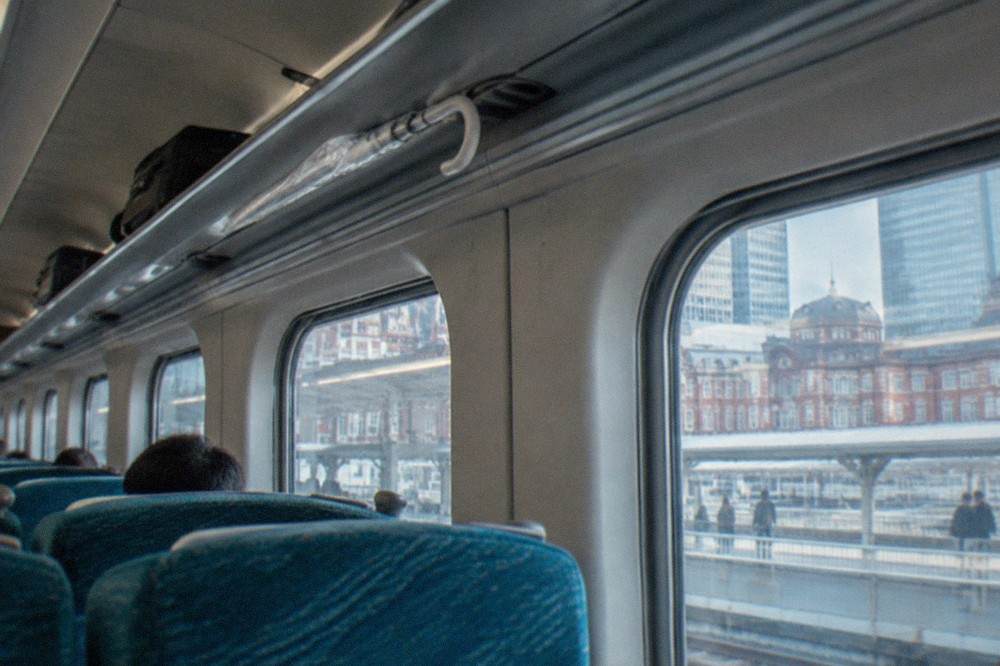
Standard bags go on the overhead rack or behind the last row of seats in each car. A reserved oversized baggage seat comes with a storage area at the same row, so the case sits beside you. Since 1 July 2025 six deck corners per 16-car set, cars 3, 5, 7, 9, 13 and 15, hold ordinary luggage free, but never an oversized one.
The overhead racks on a Shinkansen are deep and long, and they swallow a 100 cm case without drama. Behind the last row of seats in each car there is a floor space that many riders use for a second bag, first come, and it is the honest answer for anything the rack will not take. Neither spot is watched, and neither is locked: this is open storage in a moving public space, not custody.
The reserved oversized baggage seat is the only spot with your name on it. The seat and its luggage area sit at the same row, so a 200 cm case stands directly beside your shoulder for the whole ride. That is the trade the reservation buys: certainty, in exchange for a slightly less flexible seat choice, since only specific rows carry the luggage areas.
The 2025 change added the free deck corners, and English coverage has misread it badly. Six corners per 16-car set became reservation-free storage for ordinary luggage. A bag over 160 cm may not use them: it still needs the reserved seat with its own luggage area. Writing that the Shinkansen now has free luggage space so nobody needs to reserve any more is false, and it is the single most common error in recent coverage of this rule.
Supreme Class riders get a different arrangement again: the cabins in cars 7 and 10 accept baggage from 160 to 250 cm, in with the fare. For everyone else, the planning sequence is simple. Measure the case, reserve the luggage seat if the total passes 160 cm on a westbound service, and if the case is merely awkward rather than oversized, aim to board early enough that the last-row floor space is still open.
Should You Store The Suitcase In Tokyo Instead Of Carrying It?
Radical Storage points in Tokyo cost 850 yen per bag per day plus a 355 yen per-bag checkout fee, so one bag for one day is 850 plus 355, or 1,205 yen. Tokyo Metro coin lockers run 300 to 1,000 yen for a single day, but cap the stay at four days including the start day. Staffed station rooms allow up to 30.
Plenty of Shinkansen journeys go better without the big case at all: a day riding out to Kyoto, a weekend in Kanazawa, a final morning of shopping before a night flight. The research behind Luggage Storage in Tokyo covers 249 Radical Storage points across the city, every one a real partner location that this site neither owns nor operates, and none of them holds bags on this site's behalf: a reader drops a suitcase with a local partner, under Radical Storage's terms. Radical Storage advertises from 490 yen per day, but that is a small-bag rate published at only 11 points; a regular suitcase costs 850 yen per day at 244 of the 249 points on file, and the 355 yen per-bag checkout fee applies once, not per day.
The honest comparison includes the alternatives, and coin lockers genuinely win for one light day. Tokyo Metro runs one price ladder at every Metro station, 300 to 1,000 yen by tier, with only the mix of door sizes varying by station. JR East lockers vary by station, 300 to 1,100 yen by tier, and the LW tier, 86 by 56 by 65 cm, is the only common locker that takes a wide checked case lying flat. The catches are duration and liability: Metro lockers cap the stay at four days including the start day, JR East Multi Ecube lockers at three days with no extension for extra payment, and every major operator caps compensation at 30,000 yen by contract. The details of how long you can leave luggage before the operator opens the locker and moves your bag matter more than most travellers expect.
| Option | Cost | Size limits | Maximum stay | Notes |
|---|---|---|---|---|
| Radical Storage point | 850 yen per bag per day plus 355 yen once per bag | Any regular bag | Set at reservation | Staffed shops and hotels; guarantee capped at EUR 3,000 per claim, not insurance |
| Tokyo Metro coin locker | 300 to 1,000 yen per day, same ladder at every Metro station | Largest tiers take a carry-on case | 4 days including the start day | Day rolls at 02:00; compensation capped at 30,000 yen |
| JR East Multi Ecube locker | 300 to 1,100 yen by station and tier | LW tier 86 x 56 x 65 cm takes a wide case | 3 days, extra payment does not extend | +500 yen to reserve in advance |
| Tokyo Station baggage room | 500 / 1,000 / 2,000 yen by size | Large tier over 200 cm | 30 days | Seven JR East Logistics attended baggage rooms at Tokyo Station |
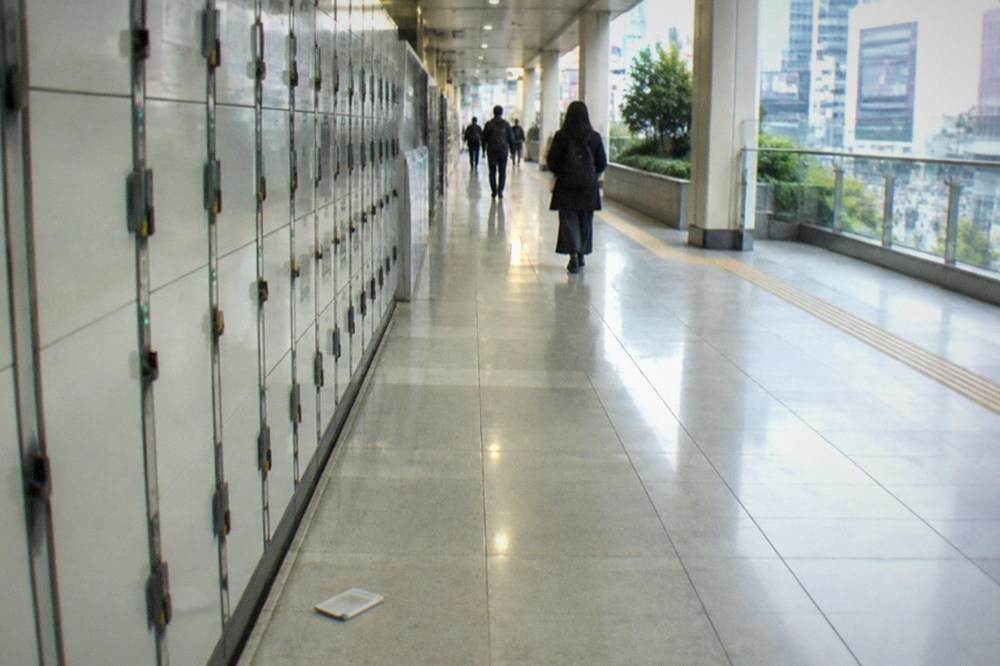
Shibuya shows the locker squeeze at its worst. Tokyo Metro's own Shibuya page lists 146 locker doors, the deepest single bank of any station in its network, and the large ones are still gone by mid-morning most days, which is the pattern behind why Tokyo coin lockers fill up. Radical Storage lists seven points near Shibuya Station instead, rated 4.75 from 163 reviews, with the nearest 306 m from the gates: five locker-style, two staffed, three listing 24-hour access, at the standard 850 yen plus the one-off 355 yen fee.
The staffed baggage rooms deserve more attention than they get, because Tokyo Station has seven of them and the other giant stations have none of their own. JR East Logistics runs rooms at Tokyo Station from 500 yen for a small case to 2,000 yen for anything over 200 cm, holding a bag for up to 30 days, with the Ueno room inside the Park Gate at the same prices. Shinjuku, Shibuya and Ikebukuro have no JR baggage room at all, only lockers and, in Shinjuku's case, a Sagawa counter at the bus terminal. For a multi-day Shinkansen loop out of Tokyo Station, the 30-day baggage room is the option nothing else matches.
Is Forwarding The Suitcase Ahead A Better Plan?
Yamato's takuhaibin, door-to-door luggage forwarding, sends a 120-band suitcase from Tokyo to Kyoto or Osaka for 2,170 yen and a 160-band case for 3,160 yen, with the absolute cap at 200 cm and 30 kg. Sagawa accepts up to 260 cm and 50 kg. LUGGAGE EXPRESS rides the Shinkansen itself and delivers hotel to hotel, same day, from 13,200 yen per item.
Takuhaibin, Japan's luggage forwarding system, is the habit of residents and the discovery of visitors: hand the case to a courier at a hotel desk or convenience counter, and collect it at your destination address a couple of days into your stay. No operator publishes a personal-customer transit time for any lane, so plan a buffer and confirm at the counter; do not book a same-evening arrival around it. What is published, exactly, is the fare table.
| Band | Three-side total | Tokyo to Tokyo | Tokyo to Kyoto or Osaka |
|---|---|---|---|
| 120 | up to 120 cm | 1,730 yen | 2,170 yen |
| 140 | up to 140 cm | 2,090 yen | 2,780 yen |
| 160 | up to 160 cm | 2,410 yen | 3,160 yen |
| 180 | up to 180 cm | 3,030 yen | 4,480 yen |
| 200 | up to 200 cm | 3,690 yen | 5,410 yen |
The caps are structural: 200 cm total, 30 kg, no single side over 170 cm for anything that cannot be inverted. A standard 158 cm spinner lands in the 160 band and forwards to a Kyoto hotel for 3,160 yen, roughly the price of two locker days in Kyoto plus a metro ride, and the case never touches a station concourse. Sagawa's large-size product (sagawa-exp.co.jp) goes where Yamato refuses: 260 cm and 50 kg, at 2,570 yen for a 160-band, 30 kg case to Kansai. The trade-offs between the two habits are laid out in forwarding versus storing a bag.
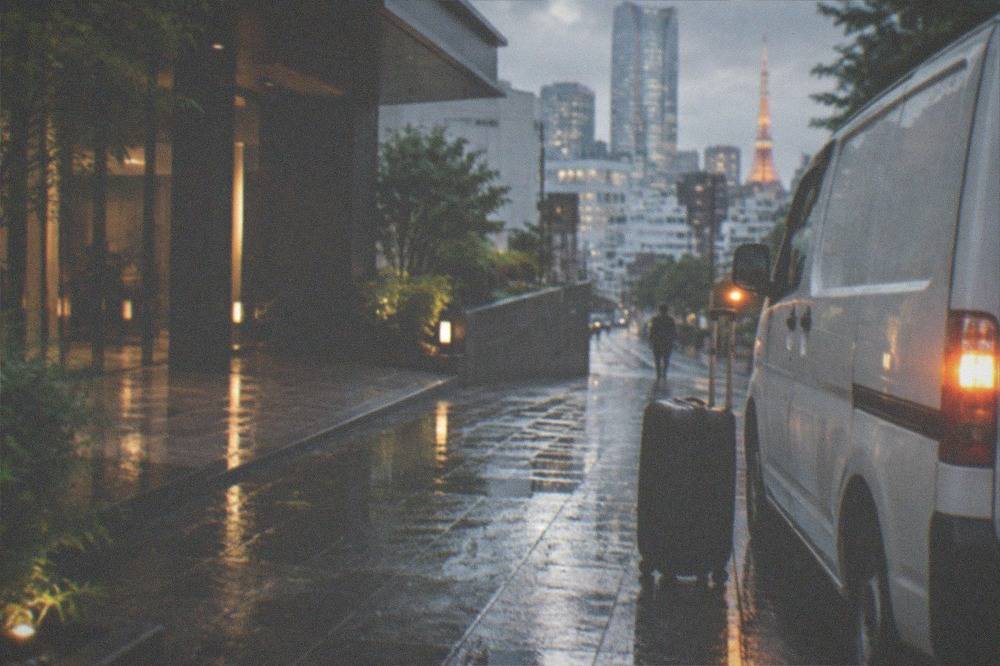
The premium option is genuinely Shinkansen-borne. LUGGAGE EXPRESS (luggage-express-service.com), run by JTB with JR Central, carries a case hotel to hotel on the actual bullet train, same day, for 13,200 yen per item between Tokyo and Kyoto or Osaka, or 16,500 yen on the express option. It is card payment only and capped at the same 200 cm and 30 kg as the train itself. For most travellers it is a last resort; for a same-day hotel-to-hotel handover with a legal-sized case, it is the only product that does it.
One asymmetry worth knowing before you plan a return leg: Yamato will not deliver city-to-Narita same day, while Sagawa does, with an 11:00 cut-off. Neither fact changes the Shinkansen ride, but both change what you do with the bag afterwards.
What About Arriving At Narita Or Haneda With A Big Suitcase?
Narita's attended counters charge from 500 yen for a small bag at the Promotion Foundation desk to 2,000 yen for a large one at JAL ABC, all per piece per day. Haneda publishes 800, 1,000 and 2,000 yen tiers, with Terminal 3 open 24 hours. Radical Storage has no point inside any terminal; the nearest to Narita sits about 6.0 km away in Tomisato, Chiba.
The airports are where Shinkansen plans usually begin, with a jet-lagged traveller and a full-size case standing in an arrivals hall. The airport counters are real, attended and priced, and they are the right first stop for a bag you want gone for a day of sightseeing before a train ride. Narita has eleven attended baggage counters across Terminals 1 and 2, run by JAL ABC, Sagawa Express and the Narita Airport Promotion Foundation, and not one attended counter in Terminal 3. Every counter at Narita is certified under the hands-free travel scheme, a detail the airport's Japanese page states and its English page drops.
| Counter | Where | Price per piece per day | Notes |
|---|---|---|---|
| Promotion Foundation | Narita Terminal 2, 3F north | 500 / 700 / 1,100 yen | Cheapest desk at Narita; 06:30 to 22:00 |
| Sagawa Express | Narita Terminals 1 and 2, three counters | 500 / 700 / 1,150 yen | New counters opened in July and September 2026 |
| JAL ABC | Narita Terminals 1 and 2, seven counters | 800 / 1,000 / 2,000 yen | Payment on collection; charged by calendar day |
| Haneda attended desk | T1 and T2 B1F, T3 2F and 3F | 800 / 1,000 / 2,000 yen | T1 and T2 per day; T3 per 24 hours, open 24 hours |
Radical Storage, by contrast, has no storage point inside any terminal at either airport, and a page that implies otherwise is selling you a prefecture boundary. Its Narita Airport area lists one point rated 5.0 from 1 review, with the nearest about 6.0 km away in Tomisato, Chiba. The Haneda area lists four points with no rating yet, the nearest about 3.4 km away in Kawasaki, Kanagawa. Both clusters are honest options for parking a bag near where you will sleep, and the wrong option for parking a bag inside the terminal you fly from; the airport's own counters, or a point near your actual hotel, serve that need.
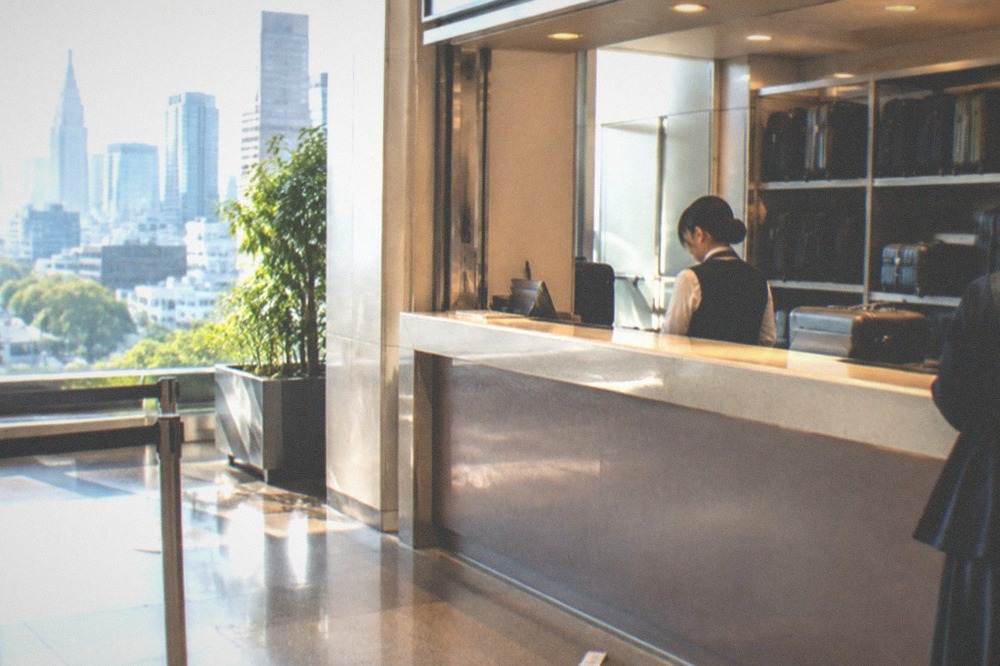
For the train itself, the route choice matters as much as the bag. Arriving at Narita with a 160-plus case and heading straight for a Kyoto-bound Nozomi means reserving the luggage seat before you leave the airport rail counter, not at Tokyo Station with a departure board counting down. The full picture of that transfer, including where a big case fits on the airport expresses, is covered in the Narita arrival guide, and the same logic applies at Haneda with shorter distances and dearer terminal lockers.
A Practical Plan For The Day You Travel
Measure the case before booking, reserve the oversized baggage seat the moment tickets open if the total passes 160 cm, and keep the ticket and receipt whatever you do. For a bag that fails the 250 cm ceiling, decide between Sagawa's 260 cm forwarding cap and parking it near a station on your route, then travel with a day bag only.
Every trap in this article has a one-line fix. A tape measure settles the 160 cm question before any money moves. Booking the seat and the luggage space together costs nothing extra and removes the 1,000 yen exposure entirely. A photograph of the case's dimensions, taken once, answers every future trip. And a case that is legal but miserable, 240 cm of hard shell through a weekend of transfers, is usually better parked at 850 yen a day plus the 355 yen fee than dragged through six ticket gates.
The Yamanote line makes parking on the day itself easy. Harajuku Station sits on the Yamanote loop, a direct run from the fashion districts to both Tokyo Station and, for northbound riders, Ueno, and Radical Storage lists four points near Harajuku Station rated 4.93 from 38 reviews, with the nearest 172 m from the gates, one locker-style and three staffed. Drop the big case there in the morning, ride the loop to your bullet train with a day bag, and collect on the way back through the city.
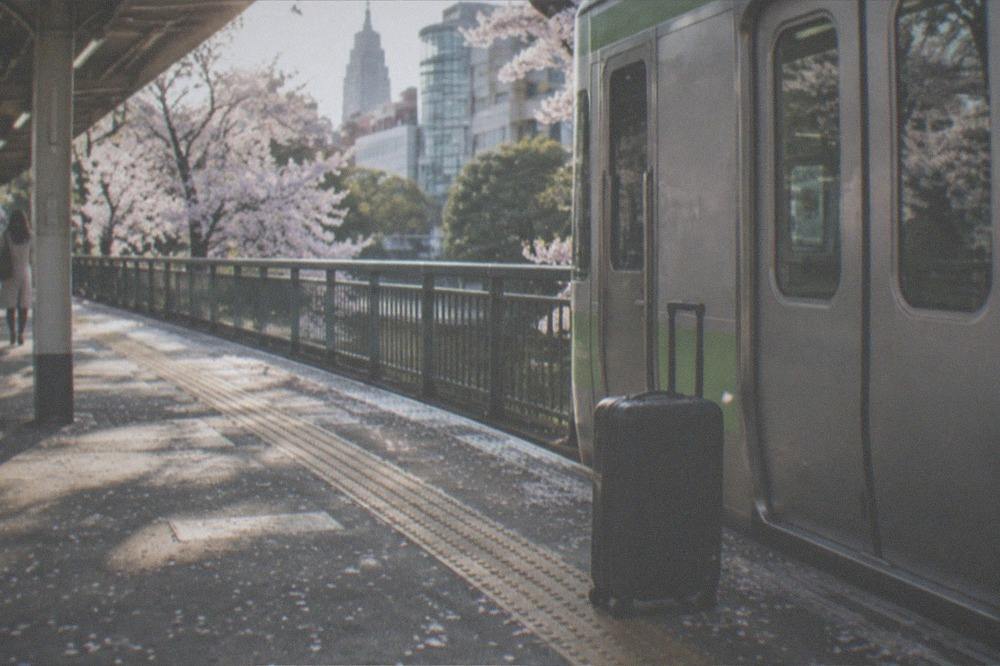
The final habit is the smallest one: keep the paper. Locker operators require the receipt, photo ID and, on many JR East units, the same IC card you paid with, and a lost ticket costs a prescribed fee at some operators and 2,000 yen at Keio. A Shinkansen ride is only as smooth as the bag plan under it, and the bag plan is mostly a matter of knowing which number, 160, 250, 850 or 3,160, applies to the case in your hand.
Common Questions About Luggage On The Shinkansen
Do I need a reservation for my suitcase on the Shinkansen?
Only if its three sides total over 160 cm and your service runs on the Tokaido, Sanyo, Kyushu or Nishi-Kyushu lines, which covers every Tokyo to Kyoto and Osaka train. The reservation is free and costs the same as an ordinary reserved seat. On the six JR East lines out of Tokyo no reservation exists and none is needed.
What is the maximum suitcase size on the Shinkansen?
A three-side total of 250 cm, a weight of 30 kg, and no side over 2 metres, with up to two items per passenger. The tariff allows exactly 250 cm, not under 250 cm. Strollers, musical instruments, sports equipment and wheelchairs are exempt from the size rule regardless of dimensions.
How much is the penalty for oversized baggage without a reservation?
1,000 yen, tax included, once per journey, and only on the Tokaido, Sanyo, Kyushu and Nishi-Kyushu lines. The charge is the soft outcome: the crew can refuse an unreserved oversized bag outright when the luggage areas are full, and no payment fixes that on the platform.
Can I bring two suitcases on the Shinkansen?
Yes, if each is within 250 cm and 30 kg. Only a three-side total over 160 cm triggers the reservation rule on the western lines, and it applies per bag, so two oversized cases need two luggage-area seats. On the JR East lines both cases simply ride, subject to free deck-corner space being available.
Can I store my suitcase in Tokyo instead of taking it on the Shinkansen?
Yes. Radical Storage points cost 850 yen per bag per day plus a one-off 355 yen fee, so one bag for one day is 1,205 yen. Coin lockers are cheaper for a single light day, 300 to 1,000 yen on the Metro ladder, but cap the stay at three to four days depending on operator, while Tokyo Station's baggage rooms hold a bag for up to 30 days from 500 yen.
Can I send my suitcase ahead instead of carrying it?
Yes, through takuhaibin forwarding. Yamato charges 2,170 yen for a 120-band case from Tokyo to Kyoto or Osaka and 3,160 yen for a 160-band case, capped at 200 cm and 30 kg, while Sagawa takes up to 260 cm and 50 kg. No operator publishes a personal-customer transit time, so arrange it at your hotel desk and plan a buffer of days, not hours.