Why Tokyo Coin Lockers Are Always Full, And Which Ones Go First
Large coin lockers at Tokyo's busy stations fill up early, and the reason is arithmetic more than bad luck: few large doors, a day that resets at 2 a.m., and a four-day maximum that keeps the big boxes turned over by staff rather than freed by checkout time.
Short answer
Tokyo's large coin lockers fill first because big doors are a small share of the total. Tokyo Metro lists 4,830 locker doors network-wide, and stations like Shinjuku hold only 52 of them on Metro premises. A locker day runs first train to last train, rolls over at 2 a.m., and a Metro locker may be held four days, so the largest boxes stay occupied longest.
Why Are Coin Lockers In Tokyo Always Full?
Large lockers are a small share of total doors, most visitors carry bags only the large tiers fit, and the busiest stations have the thinnest supply of the biggest boxes. Tokyo Metro lists 4,830 locker doors across its 141 stations, and stations like Shinjuku hold only 52 of them on Metro premises. A locker day rolls over at 2 a.m., and a Metro locker may be held four days.
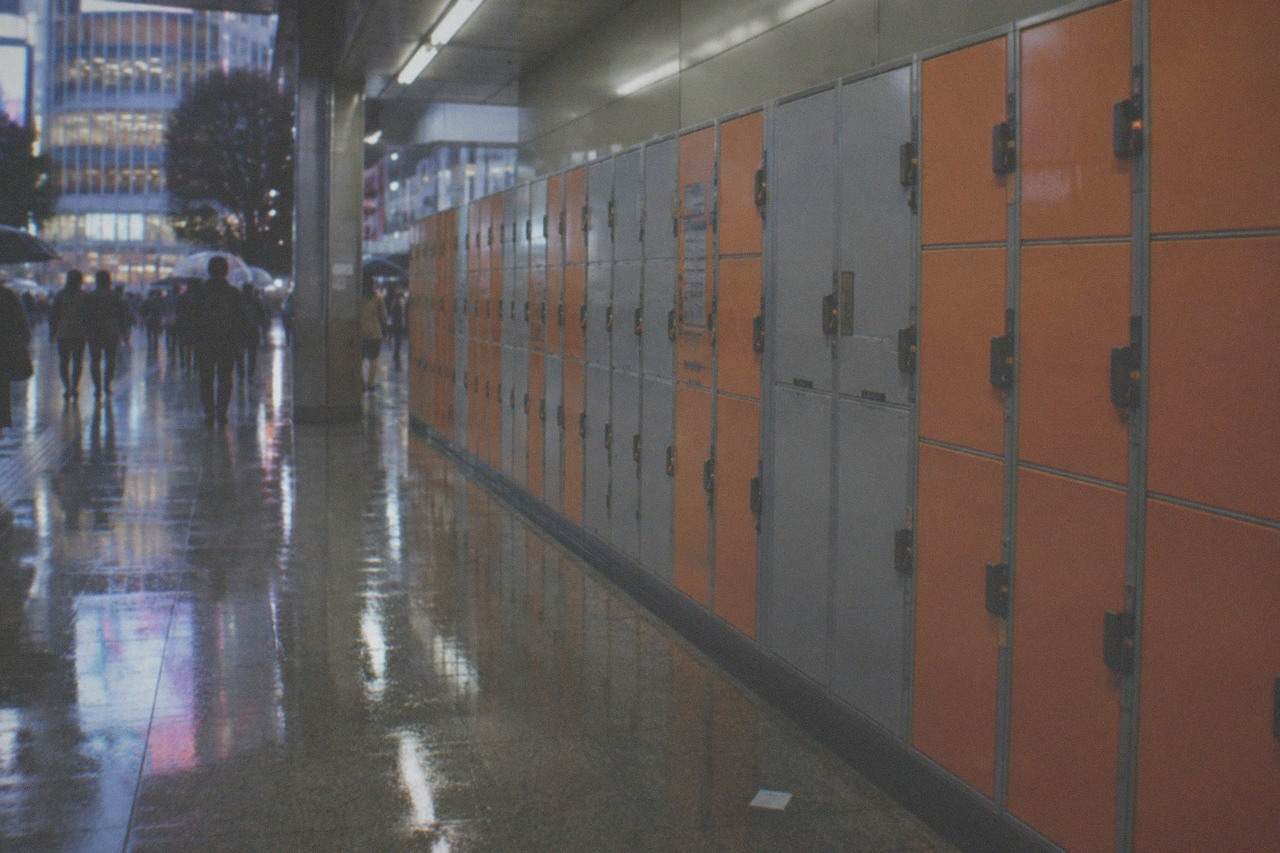
Ask anyone who has dragged a suitcase through Shinjuku at 11 a.m. The banks near the exits are full of locked large doors, and the small tiers above them gape open, useless for a 26-inch spinner. This is not a coincidence of timing. It is a structural shortage that repeats every day of the year, and it is worst exactly where visitor traffic is heaviest.
The depth is the quiet killer. A Toei locker is 342 mm deep, and a JR East Multi Ecube is 34 cm deep, so the binding constraint on a hard-shell suitcase is depth and height, not width. A 26-inch spinner is typically around 30 cm deep with the wheels, which fits the depth, then fails the height on standard tiers. Only the large tiers work, and large tiers are the scarce ones.
There is also a demand side that English-language coverage rarely names. Venue bag rules push suitcases out of the places people are heading to: Tokyo Skytree prohibits any side over 60 cm, Tokyo Disney Resort refuses carts and suitcases outright, and teamLab Borderless turns away anything over 50 cm. A visitor with a checked bag has to park it somewhere before the museum, the observation deck or the park, and the nearest coin locker bank is the default reflex. Thousands of people have the same reflex at the same hour.
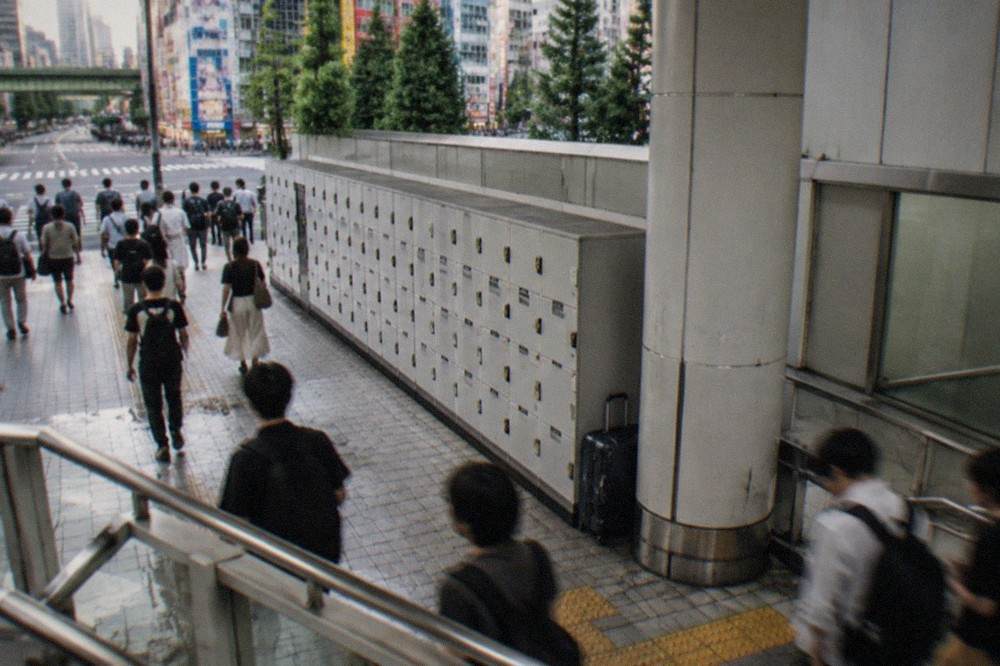
This guide breaks the problem into its parts: which stations run out first, which sizes vanish, the duration and reset rules that keep boxes locked, the official availability tools, and the realistic options when the big lockers are gone. The neighbouring guide on Tokyo coin locker sizes and what fits covers the internal dimensions tier by tier.
Which Stations Run Out Of Large Lockers First?
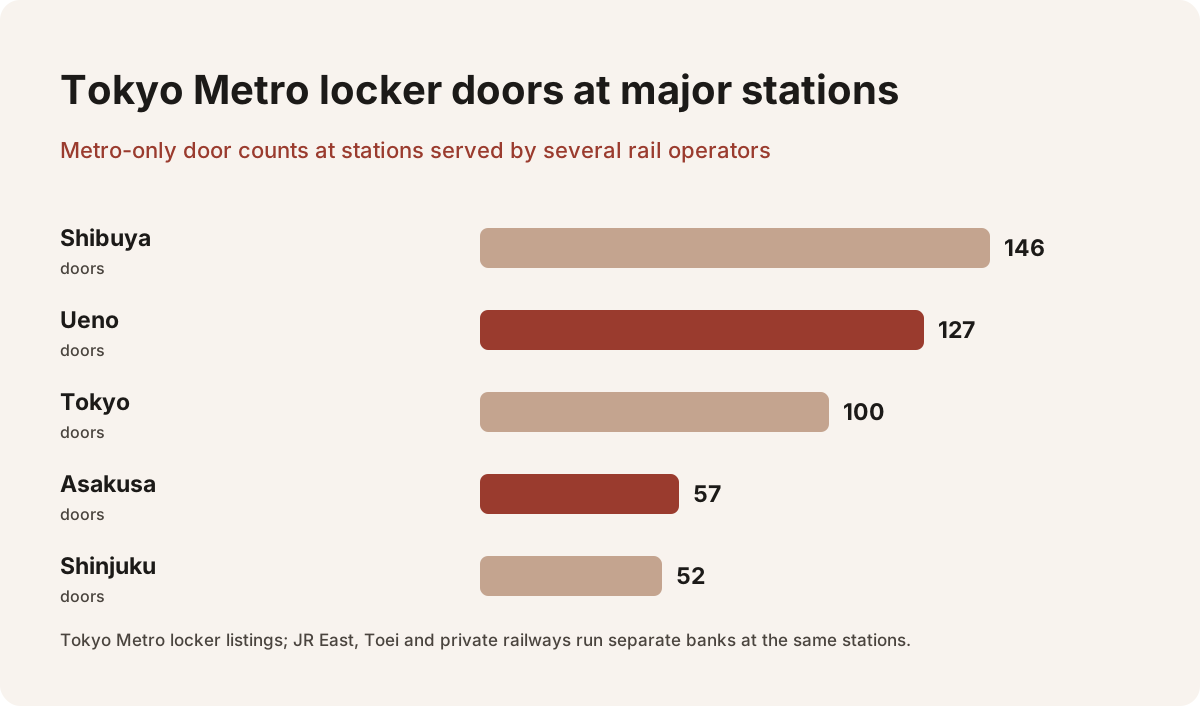
Shinjuku, Tokyo Station, Shibuya and Ueno are the first to lose their large lockers, and the official door counts explain it. Tokyo Metro publishes 52 doors at Shinjuku, 100 at Tokyo, 146 at Shibuya, 127 at Ueno and 57 at Asakusa on its own premises, while JR East's separate Multi Ecube network adds 848 units across 267 stations. Shinjuku, the world's busiest transfer point, has fewer Metro locker doors than Shibuya.
The counts deserve care, because a count of banks is not a count of doors. English-language coverage of Tokyo lockers repeatedly reports a number of locations as a number of lockers. JR East's own figure of 19 at Ueno counts 19 places, meaning nineteen banks of lockers, while Tokyo Metro alone publishes 127 doors there. Any locker count should say what it counts.
Tokyo Metro's published door counts, per station, on Metro premises:
| Station | Locker doors | Counts what |
|---|---|---|
| Shibuya | 146 | doors |
| Ueno | 127 | doors |
| Tokyo | 100 | doors |
| Asakusa | 57 | doors |
| Shinjuku | 52 | doors |
Those numbers are Tokyo Metro's alone, at stations served by several rail operators. JR East, Toei and the private railways all run their own locker banks at the same stations, and no operator publishes a combined all-operator locker count for any Tokyo station. A reader who sees "52 lockers at Shinjuku" and concludes the station has little storage is being misled twice: once by the location-versus-door confusion, once by the operator-by-operator split.
Price is the other thing people get wrong. Tokyo Metro charges the same prices at every Metro station, one price ladder network-wide: 300, 500, 600, 900 and 1,000 yen by tier, published across all 141 station rows on one page. JR East prices do vary by station, with an M locker running 500 to 900 yen and an L running 700 to 1,100 yen, and JR East's own media documents an added 100 to 200 yen on M and L lockers in peak season. At Shinjuku, the ordinary lockers are 100 yen dearer than the Multi Ecube lockers in the same station.
When the big lockers at those hubs are gone, staffed bag drop points are the fallback that scales. Radical Storage's Tokyo Station area lists 3 staffed points, the nearest 558 m from the station, rated 4.89 across 213 reviews on the Radical Storage network. Ueno lists 8 points, nearest 171 m, rated 4.87 across 285 reviews. Harajuku lists 4 points, nearest 172 m, rated 4.93 across 38 reviews.
Each of those is a Radical Storage partner location, staffed, taking any bag size, at 850 yen per bag per day for a regular bag plus a 355 yen per-bag fee charged once at checkout. One bag for one day is 850 plus 355, which is 1,205 yen as arithmetic on Radical Storage's own published figures.
Which Locker Sizes Fill First?
The large tiers and the extra-deep LW tier go first, and the reason is physical. A Toei standard locker is 325 x 342 x 663 mm internally, so a suitcase needs the 856 x 342 x 663 mm large tier or, at JR East machines, the 86 x 34 x 65 cm L or the 86 x 56 x 65 cm LW. Small and standard doors stay open all day at banks where every large door is locked.
The LW tier is the one English-language coverage of Tokyo lockers never mentions. At 56 cm deep on JR East's Multi Ecube machines, it is the only common tier that swallows a wide checked suitcase lying flat. Its published price runs 800 to 1,000 yen at JR East stations. One catch: reservation-capable Multi Ecube units are 55 cm deep, not 65, same tier names, shallower box.
The internal dimensions that decide whether a suitcase fits, per operator:
| Operator and tier | Internal dimensions | Typical fit |
|---|---|---|
| Toei large | 856 x 342 x 663 mm | a checked suitcase |
| Toei medium | 502 x 342 x 663 mm | a carry-on plus souvenirs |
| Toei standard | 325 x 342 x 663 mm | a backpack |
| JR East L | 86 x 34 x 65 cm | a large suitcase |
| JR East LW | 86 x 56 x 65 cm | a wide checked suitcase |
| JR East M | 50 x 34 x 65 cm | a carry-on-sized case |
The 342 mm and 340 mm depths are the trap for hard-shell owners. A 26-inch spinner usually clears the depth and then fails the height on standard tiers, which is why travellers end up walking the concourse looking for a large box that is already full. Toei's Asakusa dimensions are published on the operator's own locker and facility page for the station, and JR East's tier sizes appear in the Multi Ecube network pages.
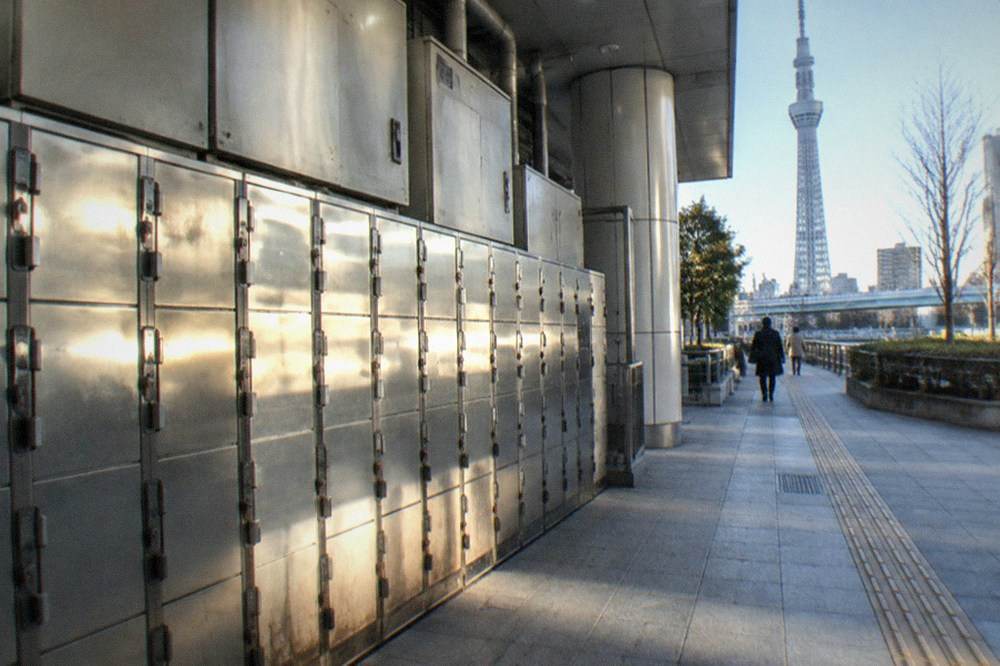
When the depth check fails, a staffed drop-off point takes any size, and the size question simply disappears. Around Tokyo Station, that means a Radical Storage point rather than another lap of the locker banks.
What Keeps A Locker Locked For Days At A Time?
Duration rules do. A Tokyo Metro locker may be held four days including the day you start, and a JR East Multi Ecube locker three days, and paying more does not extend the period at either operator. The day rolls at 2 a.m., not midnight. A large locker grabbed on Monday morning can legally sit locked until Thursday, invisible to everyone else who needs it.
The operators genuinely disagree with each other on the maximum, so no single duration rule applies across Tokyo. Metro Commerce's own terms state the four-day limit, and JR East Smart Logistics' terms state three days, adding that the bag is pulled on the fourth day even if more money is inserted. The 2 a.m. rollover comes from the same Metro terms: the locker runs from first train to last train, and a day is added at 2 a.m. past the last train.
What happens after expiry is worth knowing before it happens. The operator unlocks the locker, inspects the contents and moves them to a designated place, where the same daily rate keeps running. The contents are held for 30 days counted from the start of the original rental, then deemed abandoned. To collect you need the receipt, photo ID, and the same IC card you paid with, and the separate storage fee is cash only. JR East disposes of food immediately, with no 30-day grace.
One more Multi Ecube mechanic that catches people: one open ends the rental. Retrieve your bag and you cannot put it back, and a multi-day reservation is forfeited with no refund. The only grace is a reopen button giving 15 minutes.
| Operator | Maximum period | Day boundary | Source of rule |
|---|---|---|---|
| Tokyo Metro / Metro Commerce | 4 days including start day | 02:00 | operator terms |
| JR East Smart Logistics | 3 days, no extension | 02:00 | operator terms |
| Haneda T1 and T2 lockers | 7 days | 24h = 1 day | airport page |
| Narita airport lockers | 8 days | midnight | airport page |
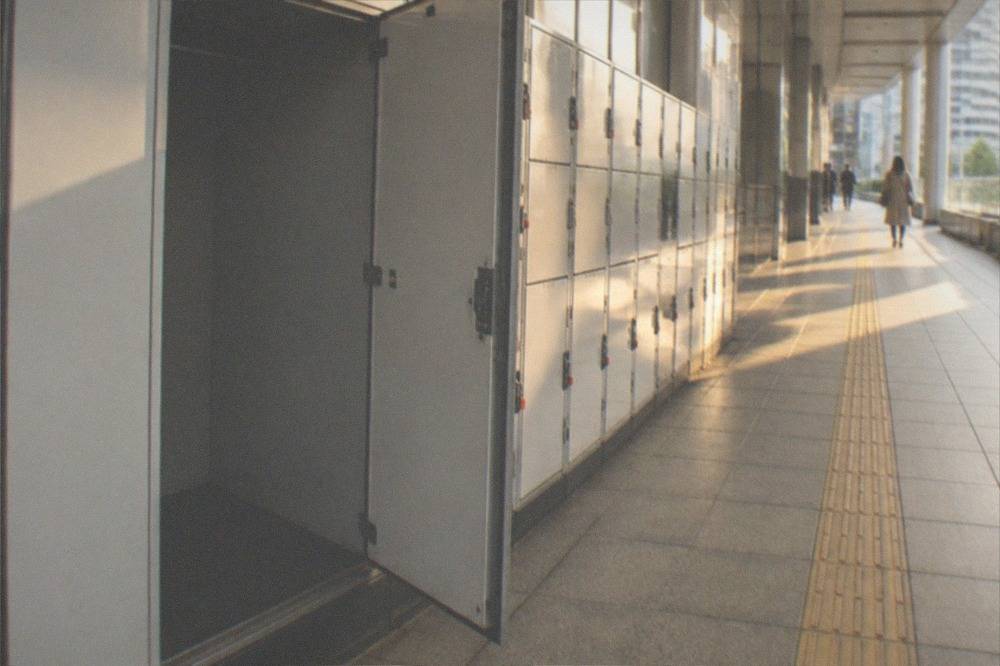
The full expiry mechanics, including the 30-day hold and the cash-only collection fee, are covered in detail in the guide on how long you can leave luggage in Tokyo. For a visitor arriving mid-morning, the practical point is simpler: some of the locked large doors are mid-multi-day holds, and they will not free up at lunchtime.
For stays that outlast the four-day ceiling, staffed storage is the only category with published multi-week headroom. JR East Logistics' attended baggage rooms at Tokyo Station accept bags for up to 30 days at 500 to 2,000 yen per day by size, though their hours close in the evening. Radical Storage points near Tokyo Station bill 850 yen per day plus the one-off 355 yen fee with no posted day cap, which is the arithmetic that makes a week-long hold plain to budget.
How To Check Locker Availability Before You Leave The Hotel
Both major operators run live availability tools, and neither is a third party. Tokyo Metro's Locker Concierge at metro.akilocker.biz is linked from Metro Commerce's own site header, and JR East's multiecube.com is the operator's own reservation and availability site. Checking either one before a 20-minute walk with a suitcase is the difference between a locker bank and a locker-shaped disappointment.
The Metro tool shows free doors by station and size, which answers the exact question this guide is about: are there any large boxes left at Shinjuku right now. The JR East tool goes further and takes reservations, at a cost of a 500 yen flat surcharge per box on the Multi Ecube network. Toei's reservation product, at seven stations, adds 300 yen for large, 200 for medium and 100 for small, and can be reserved from two hours ahead.
Reservation is the one structural way around the shortage, at a price. A reserved large box is yours regardless of the morning scramble, and 500 yen buys certainty at a hub where certainty is scarce. The trade-off is that a multi-day reservation forfeits with no refund if you open the door early, per the one-open rule above.
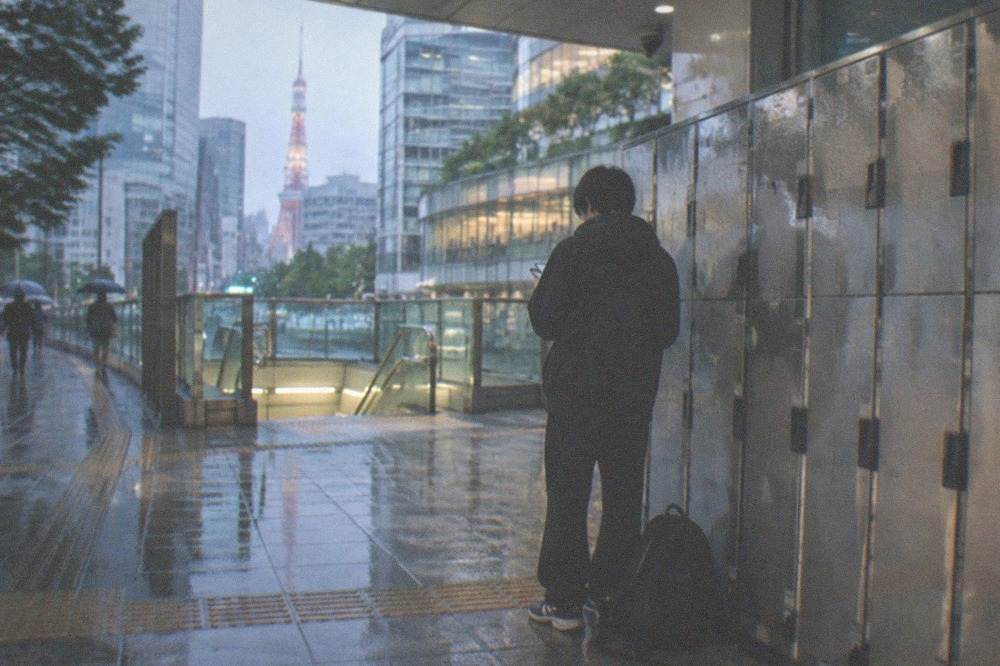
Availability tools cover lockers only. They say nothing about staffed points, and a reader whose plan is "find a locker at Ueno" should know the Radical Storage Ueno area lists 8 staffed points, the nearest 171 m from the station, before walking a suitcase around the concourse. Metro's own locker price ladder is published on the Metro Commerce locker page, worth a glance for anyone comparing a reserved box against a staffed drop-off.
What To Do When Every Large Locker Is Taken
There are four realistic moves: reserve the next day's box, walk to a less-used exit or a neighbouring station, use an attended baggage room, or book a staffed Radical Storage point. The first three depend on luck and geography. The fourth is the only one that can be arranged from a phone before arriving, at 850 yen per bag per day plus a 355 yen one-time fee, and staffed points take sizes no locker will hold.
Walking to another bank works more often than people expect, because locker supply is lumpy. The same station that has no large doors at the south exit may have a bank of them three minutes along the concourse, and a neighbouring station one stop down the line is often wide open when the hub is picked clean. The failure mode is the suitcase itself: every extra minute of walking is paid for at the handle.
Attended rooms are the official fallback, and Tokyo Station is where they cluster. Seven baggage rooms operate in and around the station, from JR East Logistics counters at 500 to 2,000 yen per day by size to the same-day Gransta cloak. The catch is hours: most close between 19:00 and 21:00, and the JR EAST Travel Service Center storage at Marunouchi is same-day only. Ueno has one attended room, at 500 to 2,000 yen per day with a 30-day maximum, inside the Park Gate on the 3F concourse, daily 10:00 to 20:00.
| Fallback | Cost basis | Hours constraint | Where it exists |
|---|---|---|---|
| Reserved Multi Ecube box | tier price + 500 yen | one open ends rental | 267 stations network-wide |
| Attended baggage room | 500 to 2,000 yen/day by size | closes 19:00 to 21:00 | Tokyo, Ueno, Shinagawa, Asakusa |
| Station staffed point (Radical Storage) | 850 yen/day + 355 yen once | posted per point | 249 points across Tokyo |
| Airport counter | 500 to 2,000 yen/day by size | terminal hours | Narita, Haneda |
The staffed-point option deserves its plain arithmetic. Radical Storage advertises from 490 yen per day, but that is a small-bag rate found at 11 Tokyo points; the rate a traveller with a normal suitcase pays at 244 of the 249 points on file is 850 yen per bag per day, and the 355 yen per-bag fee applies once at checkout regardless of the number of days. One bag, one day: 850 plus 355, 1,205 yen. There is no hourly tariff, a few hours is billed as a full day.
Not every point keeps late hours, and 146 of the 249 Tokyo points are not open 24 hours, so posted hours matter when the plan is an evening pick-up. The guide on storing luggage in Tokyo for a few hours covers short holds in detail. The Radical Storage Guarantee is not insurance, their own terms say so in clause 9.2.2 and let them withdraw it at any time, and payouts are capped at EUR 3,000 per claim.
For a day built around Harajuku, the same option sits closest to the action: the Radical Storage Harajuku area lists 4 points, 3 staffed and 1 locker, the nearest 172 m from the station, rated 4.93 across 38 reviews on the network, at the same 850 yen plus 355 yen pricing as everywhere else in the city.
When Do Full Lockers Actually Free Up?
The reset is not checkout time, it is 2 a.m., and then first train. A locker day runs from first train to last train, a day is added at 2 a.m. past the last train, and the first and last days count as whole days however briefly the locker was used. Doors free up in three waves: the overnight expiry sweep, the morning retrieval rush, and mid-afternoon collections.
The overnight sweep is the one worth arriving for. Lockers that hit their maximum period are emptied by the operator, contents moved to the separate storage regime described above, and the doors come back into circulation at the start of service. An 8 a.m. arrival at a hub catches the post-sweep state, which is the closest thing to a fair draw the system offers. By 10 a.m., the large doors at Shinjuku and Tokyo Station are largely spoken for.
Peak season compresses the whole cycle. JR East's own media documents a 100 to 200 yen surcharge on M and L lockers during peak periods, and JR East station pricing overall is published by station, with the Tokyo Station guide listing SS at 300 yen, S at 500, M at 700 to 800 and L at 900 to 1,000, on the operator's own station guide. Sakura season, Golden Week and the New Year break are when the large tiers vanish before breakfast, and the surcharge does nothing to thin the queue.
The honest summary for anyone planning around lockers: a large box at a major hub is a morning resource. Arrive after noon at Shinjuku, Tokyo, Shibuya or Ueno with a checked suitcase and the assumption should be that the large doors are gone, the reservation tools are the way to confirm it, and a staffed point is the plan that does not depend on the hour.
Staffed points cluster where the shortage bites hardest. The nearest Radical Storage point to Tokyo Station is 558 m out, Ueno's is 171 m, Harajuku's is 172 m, and Shinjuku's nearest is 187 m with 8 points in that area, rated 4.75 across 384 reviews. This guide sits alongside the rest of the research behind Luggage Storage in Tokyo, which covers every area of the city the same way.
Common Questions About Coin Lockers In Tokyo
Why are coin lockers in Tokyo always full?
Large lockers are a minority of doors, most visitors carry bags only the large tiers fit, and a locker may be held up to four days at Metro lockers, so the big boxes at busy hubs rarely sit empty. Tokyo Metro lists 4,830 doors network-wide, and only a fraction are large tiers.
Which Tokyo stations run out of large lockers first?
Shinjuku, Tokyo Station, Shibuya and Ueno. Tokyo Metro publishes 52 locker doors at Shinjuku, 100 at Tokyo, 146 at Shibuya and 127 at Ueno on its own premises, and those counts are Metro's alone, with other operators running separate banks at the same stations.
Which coin locker sizes fill first?
The large and extra-deep tiers. A Toei standard locker is 325 x 342 x 663 mm internally, which a suitcase does not fit, so only the 856 mm large tier or the JR East L and LW tiers work for checked bags, and those are the scarce doors.
How long can you keep a coin locker in Tokyo?
Tokyo Metro lockers may be held four days including the start day, and JR East Multi Ecube lockers three days. Paying more does not extend the period at either operator, and expired contents are moved to separate storage where the daily rate keeps running for up to 30 days.
When do full Tokyo coin lockers free up?
The locker day runs first train to last train, and a new day is added at 2 a.m. Doors freed by the overnight expiry sweep come back at the start of service, so early morning is when supply is highest, followed by a mid-afternoon wave as day-trippers collect.
What can I do if every large coin locker is taken?
Check the operator availability tools, walk to a less-used exit or a neighbouring station, use an attended baggage room where one exists, or reserve a staffed Radical Storage point, which takes any bag size at 850 yen per bag per day plus a 355 yen one-time fee.